
Major and minor works: the differences before renovating or refurbishing
The terms “major works” and “minor works” are often used to get one's bearings before a renovation or refurbishment, but they are not universal categories: the exact procedure depends on the municipality, the scope of the work and the criteria of the competent administration. This guide is for orientation and explains the usual differences so you can approach the project sensibly before speaking to a technician or the council.
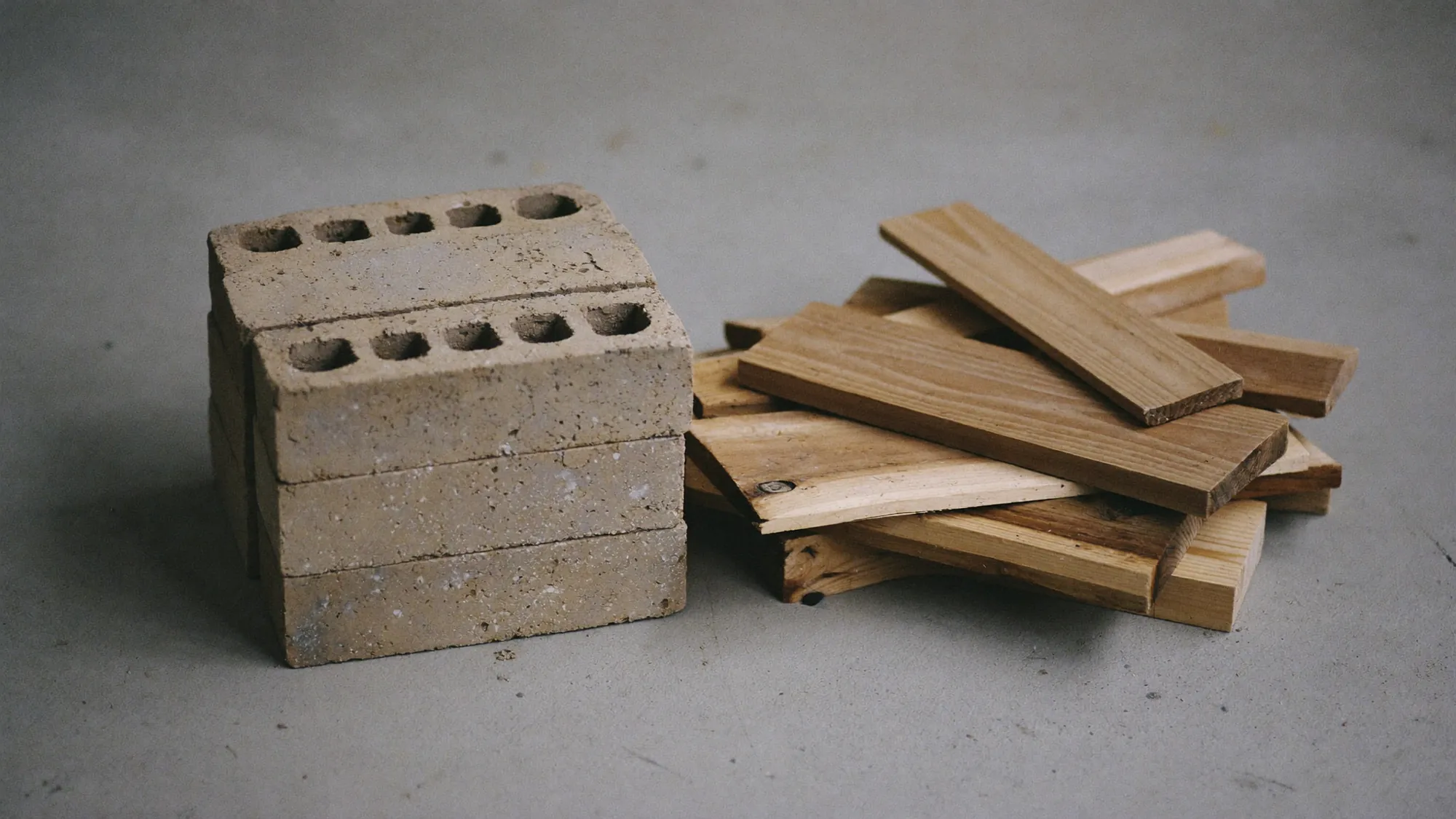
- “Minor works” are usually associated with lower-impact tasks, but they can still require a notification or another procedure depending on the municipality.
- “Major works” usually involve more technical or legal impact: structure, façade, volume, use or habitability.
- Bathroom and kitchen renovations can vary with the services, the layout and the scope of the work.
- Façades, roofs, foundations, structure and renovation call for special care and, often, a project and technical supervision.
- OBRA.cat can help define the construction scope and coordinate with the technicians, but the final procedure always rests with the administration.
What is usually understood by minor works?
In general terms, people speak of minor works to refer to tasks of smaller scope or impact on the building. It is a useful label for getting one's bearings, but it is not a universal legal definition: each municipality may have its own criteria.
It is often associated with actions such as:
- interior finishes (painting, rendering, tiling);
- swapping elements without changing their position (sanitaryware, flooring, joinery);
- some renovations that do not affect the structure, the façade or the layout.
That said, a work being considered “minor” does not mean no procedure is needed. Depending on the municipality, it may require a notification or another procedure before starting. For the specific case of Barcelona, we cover this in more detail in the guide to building permits in Barcelona. Always check the official procedure before starting the work.
What is usually understood by major works?
People speak of major works when the work has more technical or legal impact on the building. This is not a universal category either, but it usually includes interventions such as:
- changes to the structure (load-bearing walls, beams, floor decks);
- work on the façade or the roof;
- changes of volume, layout or use of the property;
- new build;
- a renovation of a certain scale.
In these cases a technical project and the supervision of a competent professional are usually needed. We do not state thresholds or specific areas, because they are set by each administration and can change over time; check them with the technician and the council of the municipality.
Bathroom, kitchen and interior renovations
Many common renovations sit in a middle ground: they may look simple but, depending on the scope, they touch services or layout. So it is worth reviewing the scope before assuming which procedure applies.
When a bathroom or kitchen renovation is limited to finishes, the scope is usually smaller. If, instead, soil pipes are moved, the plumbing or electrics are redone, or the layout changes, the scope grows. A full renovation often combines several of these actions, and that can influence which procedure applies depending on the municipality.
Façades, roofs, communities and renovation
Works affecting the building envelope or the shared elements usually have more impact and, often, more requirements. That is the case with façades, roofs and renovation.
In apartment buildings, these works are usually decisions for the owners' association and may involve a technician, a project and, depending on the case, inspections or grants. Because of their effect on safety and on the public space, they call for special care, and the processing should always be checked.
Foundations, structure and turnkey houses
Works affecting the foundations or the structure, as well as new build or a turnkey house, require a technical approach: project, calculations and site supervision.
These are the interventions with the most implications for the safety of the building, and the processing usually goes through the route that corresponds to a larger work. The final decision on the permit always rests with the competent administration.
How to prepare before asking for a quote
To guide you better from the start, it usually helps to have to hand:
- photos or videos of the space or the building;
- the address and municipality of the work;
- a description of the scope you have in mind;
- the existing drawings, if you have them;
- whether an architect, surveyor, technician or administrator is already involved;
- whether the work might affect structure, façade, roof, services, layout or habitability.
With this information we can give a first orientation. If you like, you can tell us about your case and we will look at how it fits.
What role can OBRA.cat play?
OBRA.cat is a construction company. We do not replace the architect, the surveyor, the property administrator or the administration, but we can coordinate with them. On a renovation or refurbishment project, we can:
- review the scope of the work to be done;
- help understand the construction implications;
- coordinate with the architect or technician when the project requires it;
- prepare a scope and an indicative budget once the requirements are clearer;
- carry out the work to the agreed contract and scope.
What we do not do is promise that a procedure will be approved, or take on what belongs to the technician or the administration.
The official source and the final decision
This guide is for orientation and is not legal or technical advice. The categories of “major” and “minor” works help you get an idea, but each municipality may use its own forms, categories and criteria.
For Barcelona, the official information and the final decision rest with Barcelona City Council, through the processing of building works files (licence or notification). If the work involves a first occupation or a major refurbishment, the habitability certificate from the Generalitat de Catalunya may also apply. Always check the official procedure in your municipality before starting.
It does not replace the judgement of a qualified professional or the local regulations in force. Each project must be assessed individually.
Tell us about your project
We'll give you an indicative quote and a clear scope before we start. The timeline and price depend on the project, the ground, the materials, the permits and the finishes.