
How much does it cost to build a house in Catalonia? The factors that drive the budget
This is an orientation guide to the factors that drive the budget of building a house in Catalonia. People often ask “how much it costs” expecting a single figure, but the cost of a house depends on many decisions — the land, the project, the foundations, the structure, the envelope, the services and the finishes — and it is not resolved with a price per square metre. This guide helps you understand what moves the budget and what information is worth preparing; it is not a price list or a fixed quote.
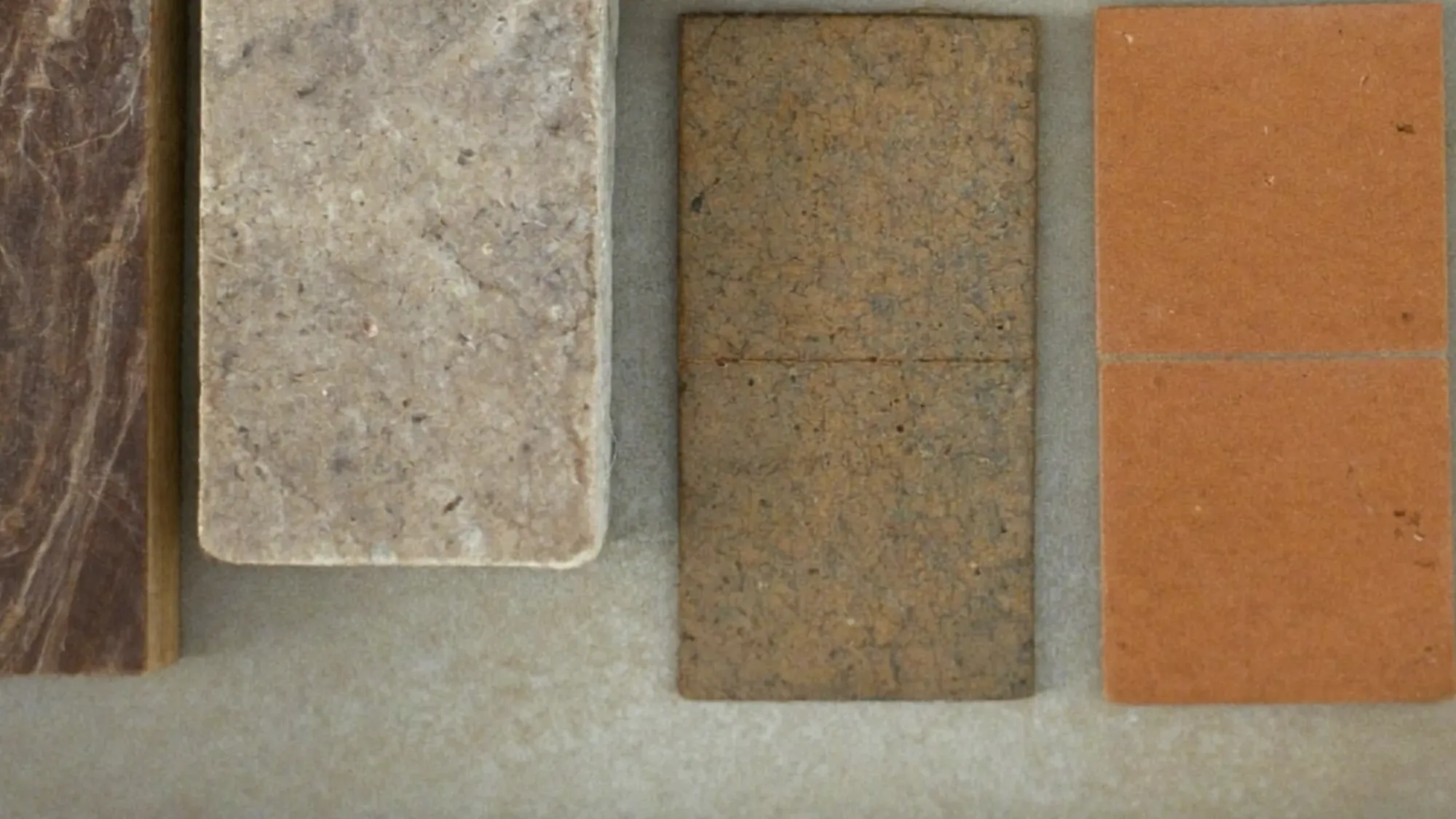
- The land and the access drive the budget: slope, initial condition, earthworks and drainage weigh in even when they are not visible at first.
- Project and design decisions set much of the cost before building even starts.
- The foundations and the structure are technical phases and central to the budget of a house.
- The envelope, the services and the finishes can change the result a lot depending on the level and materials chosen.
- A final budget can only be prepared with drawings, a review of the case and the municipal context; this guide is for orientation and is not a price list.
Why there is no single figure
When someone is thinking about building a house, the first question is usually “how much does it cost”. It is a reasonable question, but it has no single answer: the budget of a house depends on so many decisions and conditions that an isolated figure, without context, tends to mislead more than it helps.
That is why, in this guide, we do not give prices or amounts per square metre. What we can do is explain which factors move the budget, so you can get a sense of what to weigh up and prepare the information better. A final budget can only be prepared with the project, a review of the case, the technical scope, the municipal context and the material decisions. This guide is for orientation and is not a price list.
Land, access and initial condition
The starting point for a new house is the land, and it is one of the most underestimated factors. Two plots of the same area can involve very different work depending on their conditions, even before a single wall goes up.
The following tend to influence the scope and, therefore, the budget:
- the slope of the land and the level differences, which can require retaining walls or significant earthworks;
- the access to the plot for machinery, materials and trucks;
- any existing construction, if something has to be demolished or dismantled before starting;
- the earthworks, the excavation and the management of surplus soil;
- the drainage and how water is removed from the plot.
None of these points can be assessed properly “by eye”. Often, a study of the ground — and, where needed, a geotechnical study — is what reveals the real scope of this first phase. We cover this work in the earthworks service.
Project, permits and technicians
Before building there is the project, and the decisions taken there drive much of the budget: the size of the house, the layout, the number of floors, the complexity of the forms and the level of finish. A project is the work of an architect and competent technicians; OBRA.cat does not replace them, but coordinates with them.
Beyond the project, a new build usually requires processing and, often, a licence. The requirements depend on the scope and the municipality, and the final decision always rests with the administration. To get your bearings with the procedures, these orientation guides may help:
- building permits in Barcelona;
- the difference between major and minor works.
The cost of technical fees, procedures and documentation is part of the whole and worth keeping in mind from the very start, even if it is not handled by the construction company itself.
Foundations and structure
The foundations and the structure are the construction heart of a house and a central part of the budget. They are not visible once the work is finished, but they are what holds it up, which is why they are sized with rigour to the project and, in the case of the foundations, to the geotechnical study of the ground.
The scope of these phases depends greatly on the ground and the type of house: the foundation system, the need for retaining walls, the type of structure and the spans to cover can vary a lot from one case to another. These are technical works that demand calculations and site supervision, and that should be reviewed with technicians whenever there is structure, foundations or new build.
Roof, façade and insulation
The envelope — roof, façade and insulation — is what protects the house from water and cold, and the decisions taken here clearly weigh on the budget and on future comfort. A simple solution is not the same as a high-performance one, and each option has long-term consequences.
Good insulation influences comfort and energy use, but the actual result depends on each house and how it is used; this guide does not go into specific savings or efficiency figures. When the windows are renewed at the same time, this is covered in the windows and closures service.
Services, interiors and finishes
The services (electrics, water, drainage, climate control), the interiors and the finishes are the most visible part of the house and, at the same time, the part that can make the budget swing most depending on the level chosen. The same square metres can give very different results depending on the materials, the quality of the finishes and the performance of the services.
Here the decisions are very personal: the same house allows for restrained options and high-end ones. So, at this stage, more than a figure up front, what helps is defining a clear scope and finish level. When the works are coordinated as a whole, as in a full renovation, it is easier to keep the services, interiors and finishes consistent.
A new house or renovating an old one
Not everyone starts from an empty plot. Sometimes the starting point is an old house to be recovered, and that changes how the budget is approached. A turnkey house and the renovation of an existing property follow different logics.
In an old house, the real condition of the structure, the roof and the damp greatly affects the scope, and it is often necessary to prioritise and work in phases. So comparing the cost of a new house with that of a renovation is not immediate: it depends on what can be kept and what has to be redone, and it is worth assessing case by case.
What information to prepare before asking for a quote
The more specific the starting information, the more useful the orientation can be. To prepare a meaningful budget, it usually helps to have to hand:
- the location and municipality of the work;
- photos or videos of the land or the house, inside and out;
- the drawings or the project, if you already have them;
- the approximate floor area you have in mind;
- the scope you want (new house, renovation, finish level);
- whether an architect or technician is already involved;
- your schedule expectations, bearing in mind that real timelines depend on the project and the execution and cannot be fixed too early.
No sensitive documents or unnecessary data are needed for a first orientation. With this information we can work far better than with a generic question about prices.
What role can OBRA.cat play
OBRA.cat is a construction company. We do not replace the architect, the surveyor or the administration, and we do not prepare a budget blind from a single figure. What we can do is support the process on its construction side:
- review the available information — photos, videos, drawings or project — to understand the case;
- coordinate with the technicians when the project requires it;
- help define the construction scope and, when it makes sense, set it out in phases;
- prepare an indicative budget once there is enough detail to do it with rigour;
- carry out the work to the contract and scope agreed in writing.
What we do not do is promise an amount before knowing the case, or commit to fixed timelines without a project. A serious budget needs concrete information; that is why we prefer to ask for it rather than give a figure that cannot be sustained.
Tell us what kind of house you want to build
If you are considering building or renovating a house in Catalonia, you can tell us about it. Let us know the kind of house you have in mind and send us drawings, photos or information about the land: with that we can understand the case and guide you on the next construction step.
If you like, you can tell us about your project and we will look at how it fits: a first orientation and, once there is enough information, a clear indicative budget and scope. Remember that this guide is for orientation and that every case has to be assessed individually.
It does not replace the judgement of a qualified professional or the local regulations in force. Each project must be assessed individually.
Tell us about your project
We'll give you an indicative quote and a clear scope before we start. The timeline and price depend on the project, the ground, the materials, the permits and the finishes.