
Building inspection and owners' association: what to know before renovating
This is an orientation guide to the ITE (inspecció tècnica dels edificis — building technical inspection), the context of an owners' association and the renovation works that may follow from it. It explains, in plain language, how the technical inspection, the shared elements of the building and works such as façade, roof or dampness repairs relate to one another. It does not replace a technical inspection or the judgement of a competent technician: the specific obligations and steps depend on the official process, the building and the competent professionals.
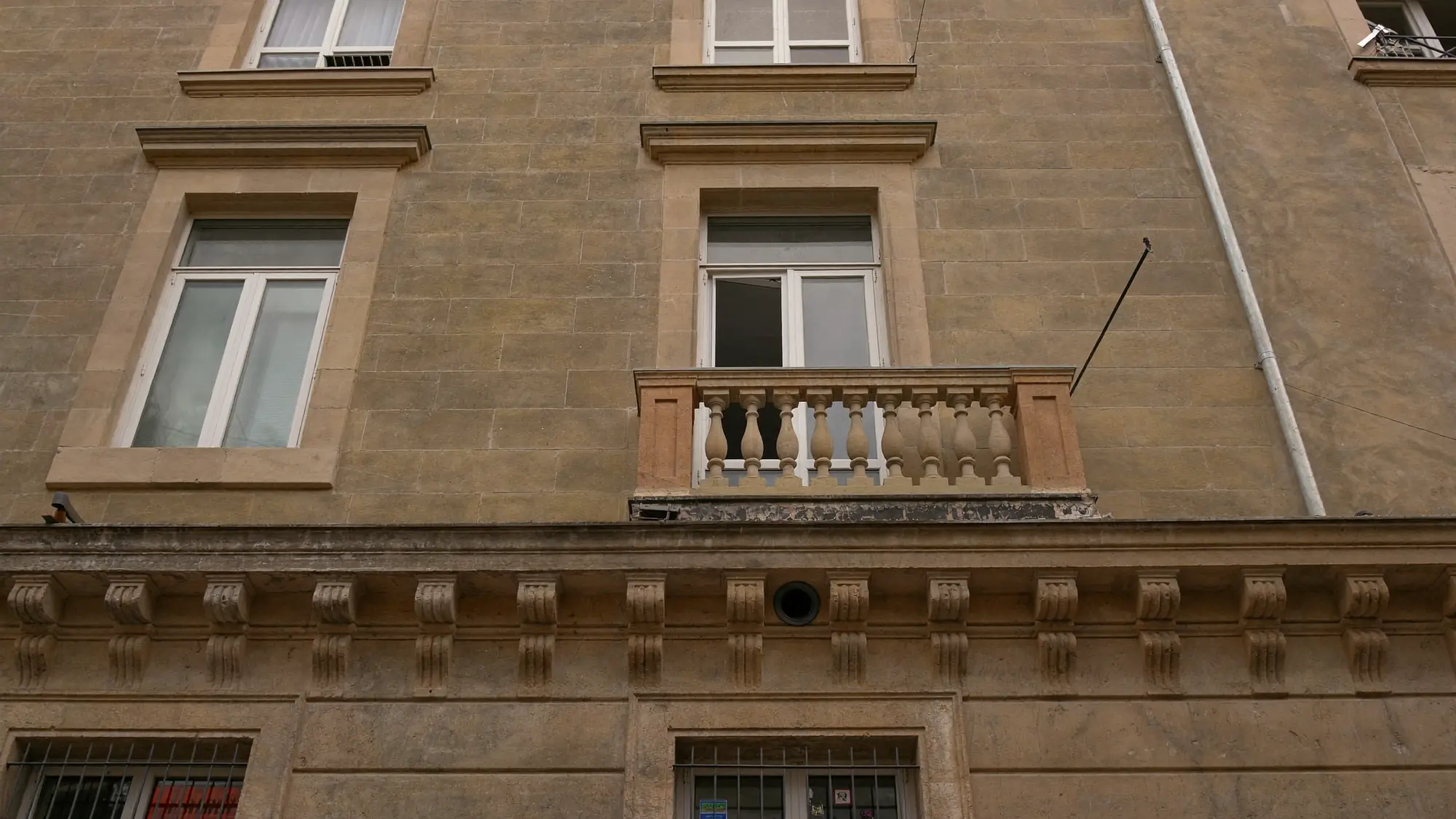
- The building inspection is a context of technical review and reporting on the condition of the building, not a construction quote.
- Façades, roofs, dampness and structural elements often require a technical review before any work.
- The owners' association should coordinate with the property administrator, the board and the competent technicians.
- OBRA.cat can help with the construction scope and execution, without replacing the technician or the decision of the association.
- Grants may exist in some periods, but it is always worth checking the current calls at official sources.
What the building inspection is and why it matters to an owners' association
The ITE (inspecció tècnica dels edificis — building technical inspection) is, broadly, a process of review and reporting on the condition of a building, carried out by a competent technician. It is not a construction quote or a renovation: it is a tool for understanding the condition of the building and guiding its maintenance and upkeep.
For an owners' association, the building inspection can matter because it helps identify which parts of the building may need attention. It may be compulsory for certain buildings — for example, depending on their age or other criteria — but the specific circumstances are set by the regulations in force. That is why it is worth checking each case with official sources or a technician, and not assuming when it applies or what it involves.
What problems commonly appear in buildings and communities
Beyond the inspection process, construction issues can arise in buildings and communities that may require review. Here are some common examples; none of them, on its own, is a diagnosis:
- Façades. Cracks, spalling, joints or cladding that may need review, especially given the risk to the public space below.
- Roofs. Deteriorated tiles, membranes or drains that can allow filtration into the interior.
- Dampness. Stains, mould or filtration that should be assessed to identify their origin before any action is taken.
- Structural elements. Signs on load-bearing walls, beams or floor decks that call for the judgement of a competent technician.
- Accessibility and safety. Deteriorated shared elements or points that may need review for safety reasons.
Faced with any of these signs, it is worth assessing them calmly and with the judgement of a technician. It is not advisable to climb onto roofs or handle façades on your own: this part is carried out by personnel with the appropriate means and safety measures.
Façades, roofs and dampness: from the report to the works
It is useful to distinguish two things that are often conflated: what a technical report says and the scope of works. A report — such as that of a building inspection or a technician — describes the condition of the building and may recommend actions. Defining how those actions are carried out, with what materials and to what construction scope, is a separate phase.
This distinction is especially clear for the building envelope. A recommendation concerning the façade, the roof or dampness must then be translated into a specific intervention, often involving waterproofing or other works. If you want to go deeper into the origin of dampness, we explain it in the guide to dampness at home.
Owners' association: coordination before commissioning works
When works affect shared elements of a building, they are usually a decision for the owners' association as a whole, not a single owner. Before commissioning any work, the association should coordinate with the property administrator, the board or its representatives, and with the relevant technicians.
This guide does not go into how the association organises its internal decisions or who takes on what: these are matters that depend on each case and should be dealt with by the administrator and, if needed, with appropriate advice. What we can contribute is clarity about the construction scope once the association has decided to proceed with a renovation or a repair.
When a project, technician or permit may be needed
Depending on the scope and the municipality, works arising from a technical review may require a project, technical supervision or some form of processing. Not all interventions have the same requirements, and the final decision rests with the competent administration.
To get your bearings on the usual differences, these orientation guides may help:
- the difference between major and minor works;
- what a prior works notice is;
- and, for Barcelona specifically, building permits in Barcelona.
In all cases, it may be necessary to check the official procedure before starting. The requirements depend on the scope, the municipality and the criteria of each administration.
Grants and renovation: caution with calls
In some periods grants or support programmes for building renovation exist. Their availability, requirements and conditions can change, and depend on each call.
That is why, in this guide, we do not state that any particular building is entitled to them or what amounts may apply. If the association is considering this, it is worth checking the current calls at official sources — such as the Catalan Housing Agency — and, if needed, engaging the administrator and a technician to assess it. Grant management is usually tied to the technical documentation of the building.
What role can OBRA.cat play?
OBRA.cat is a construction company. We do not issue building inspection reports or replace the architect, the surveyor, the property administrator or the administration: we coordinate with them. Once the technical scope is clear, we can:
- review photos, videos or existing reports to better understand the case;
- carry out a visit to the building when it is appropriate;
- coordinate with the architect, surveyor or administrator;
- help define the construction scope based on the technical recommendations;
- carry out façade, roof, dampness, waterproofing or renovation works to the contract and scope agreed in writing.
What we do not do is issue the technical inspection or take on what belongs to the technician, the association or the administration. If you like, you can tell us about the case and we will guide you on the next construction step.
Documents and information worth preparing
To guide you better from the start, it usually helps to have to hand:
- the existing building inspection or technical report, if the association already has one;
- photos or videos of the affected areas;
- the address and municipality of the building;
- which areas are affected (façade, roof, courtyards, shared elements);
- the context of the administrator or the board of the association;
- whether repairs have already been done before and with what result;
- any safety concerns or urgency;
- existing drawings, if available.
No sensitive documents or unnecessary data are needed for a first construction orientation.
The official source and the final decision
This guide is for orientation and is not legal or technical advice, nor does it replace a technical inspection. The technical and administrative criteria can change and depend on the building, the municipality and the regulations in force.
For official information on the building inspection and the certificate of aptitude, it is worth consulting the building technical inspection processing page and the Catalan Housing Agency. For technical professional context, Cateb publishes resources on the building inspection. The final decision and the specific requirements rest with the competent administration and the judgement of a technician.
It does not replace the judgement of a qualified professional or the local regulations in force. Each project must be assessed individually.
Tell us about your project
We'll give you an indicative quote and a clear scope before we start. The timeline and price depend on the project, the ground, the materials, the permits and the finishes.