
Roofs and coverings: what to check before repairing or renovating
This is an orientation guide to roofs and coverings from a construction point of view: leaks, waterproofing, insulation, façades, rainwater drainage and renovation. A roof is usually a system, and a visible problem — a stain on the ceiling or a broken tile — often has its origin at a different point. This guide helps you get your bearings, but it is not a manual for repairing a roof yourself: roofs and façades must be inspected with safe access and, in many cases, by qualified personnel.
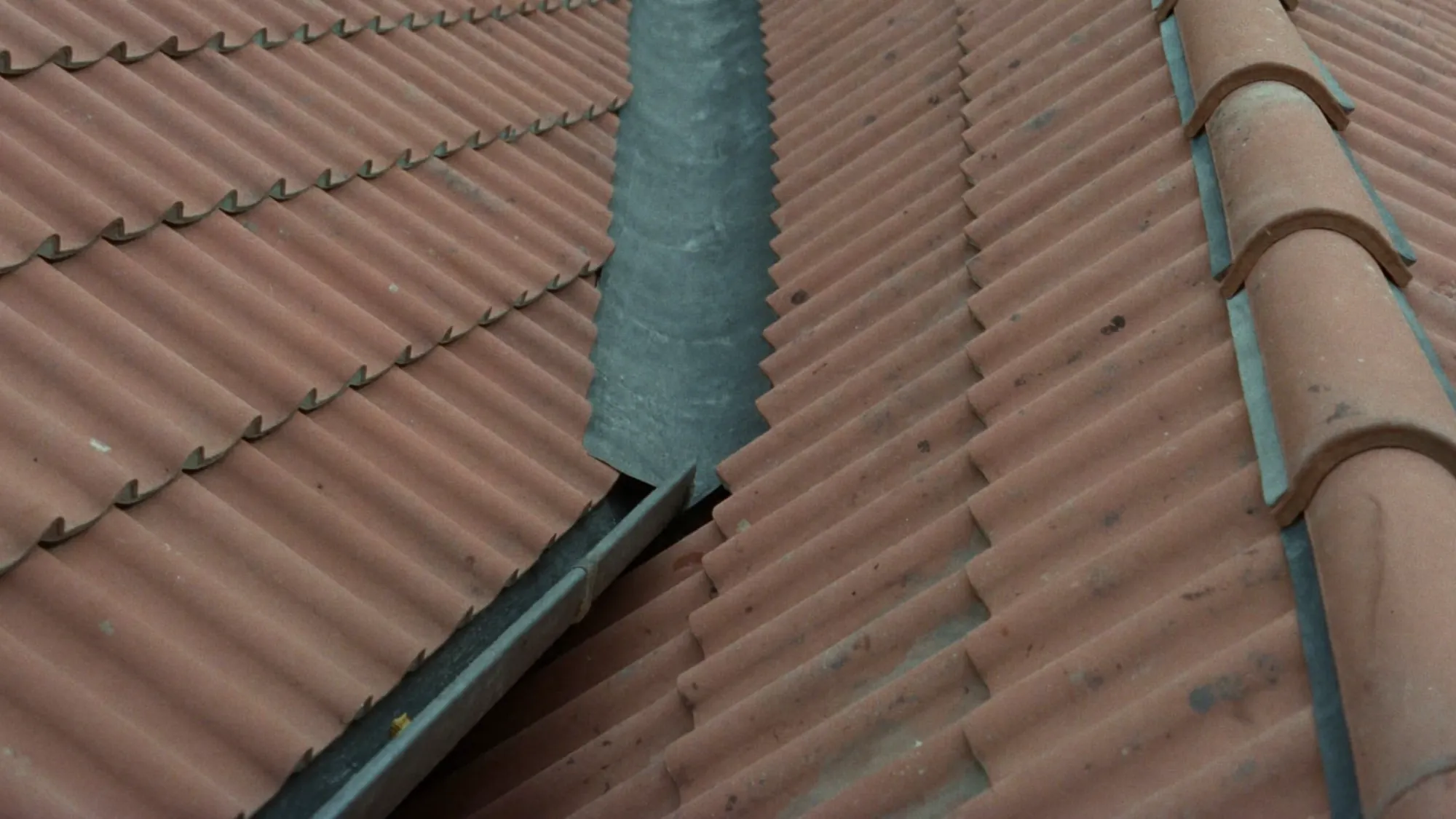
- A leak can come from the roof, a terrace, the façade, a joint, a drain or the waterproofing: the source must be identified first.
- Repainting or covering the stain from inside does not resolve the problem if water is still getting in.
- Old roofs may need phased repair, waterproofing, insulation or a structural review.
- In apartment buildings, the roof is usually a shared element and may require coordination with technicians or administrators.
- OBRA.cat can help define and carry out the construction scope safely, but does not replace a technical report or the administration's decision.
A roof is more than the tile you can see
When a leak or a stain appears on the ceiling, it is easy to think the problem is a broken tile or a single spot. Often, however, a roof is a system: the substrate, insulation, waterproofing, slopes and drains all work together, and the water that appears inside can come from a point far from where the stain shows.
This guide is for orientation and helps you get your bearings before deciding anything. It is not a manual for repairing a roof yourself. Roofs and façades must be inspected with safe access and, in many cases, by qualified personnel: going up onto the roof or handling elements at height is not recommended. If it helps, you can send us photos or videos taken from a safe location and we will guide you on the next step.
Roof, pitched roof and flat roof: not always the same thing
In everyday usage, different words are used for things that are not quite the same. Distinguishing them helps to understand why the solution changes depending on the case:
- Covering. The general term for the element that closes the building at the top and protects it from rain, whatever its form.
- Pitched roof. A sloping covering, normally finished with tiles, where water slides down the slope to the eaves and gutters.
- Flat roof or terrace roof. A nearly horizontal covering, often accessible, that functions as a terrace and depends heavily on the slope and the waterproofing.
The same building can combine more than one type. What they have in common is that, when they fail, water ends up appearing inside. We cover these elements within the roofs and coverings service.
Signs worth reviewing
Some signs, without being a diagnosis, invite a closer look at the roof. None of them, on their own, confirm the cause, but they are worth taking note of:
- leaks or dripping after rain;
- damp stains on ceilings or the upper part of walls;
- marks that reappear shortly after repainting;
- broken, displaced or fallen tiles;
- standing water that does not drain on a flat roof or terrace;
- stains or streaks on the façade near the roof line;
- excessive cold or heat in the rooms below, which may indicate weak insulation.
When you notice these signs, take a calm look at the area from a safe location. Going up onto the roof to check for yourself is not recommended: this part is done by personnel with the right equipment and safety measures.
Leaks, damp and waterproofing
A leak is a symptom, not a cause. The water visible inside can enter through the roof, but also through a terrace, a joint, a drain or the façade, and sometimes it travels some distance before appearing. That is why, before choosing a solution, it is worth identifying where the water is coming from: repainting or covering the stain without resolving the source is usually not enough, and the problem tends to come back.
Depending on the source, the response may involve improving the waterproofing of an exposed surface, remaking a singular point or renewing part of the system. Our damp service starts from this principle: source first, then the construction solution. If you want to understand the difference between a leak, condensation and rising damp, we explain it in the guide to dampness at home.
No waterproofing system lasts forever, and the result depends on the substrate, the slope, the drainage and how each surface is used. That is why we avoid promising definitive solutions from a single photo: what you can see is a guide, but it does not always confirm the source.
Insulation and thermal comfort
The roof does not only keep out water: it is also one of the surfaces through which the most heat is lost in winter and gained in summer. When roof insulation is weak or has aged, it is common to notice uncomfortable rooms below and, in some cases, condensation at cold spots.
When works are being carried out on a roof, it is often worth reviewing the insulation at the same time, since doing it separately means having to come back later. The right solution depends on each building, the type of roof and how it is used, and should be assessed case by case. This guide does not go into calculations or promise specific savings: the actual outcome depends on many factors and cannot be assumed in advance.
Façade, gutters, slopes and rainwater drainage
Rainwater needs a clear path to leave the building. When that path fails — a poorly resolved slope, a blocked gutter, a deteriorated drain or an open joint — the water stays where it should not and can end up causing leaks. That is why the roof is always looked at together with its drainage system and with the façade.
The line where the roof meets the façade is a sensitive point: leaks often appear precisely at this junction. Reviewing slopes, gutters, downpipes and singular points is part of the roofing work, and requires safe access and, often, a visit. This guide stays at a high level and does not go into technical details or give guidance for intervening yourself.
Roofs in old houses and renovation
When renovating an old house, the roof tends to be a priority: it is the element that protects everything else, and while it is not resolved there is little point in investing in interior finishes that water may damage again. That is why the envelope — roof and façade — is often resolved first, and the interiors afterwards.
Depending on the condition of the house, an old roof may need a localised repair or a more extensive phased intervention covering substrate, insulation, waterproofing and drainage. We handle this within the renovation service, and in the guide to renovating an old house we explain how to order the priorities before starting.
Communities, building inspections and permits
In apartment buildings, the roof and the façade are usually shared elements. This means that works affecting them are generally a decision of the owners' association, not of a single owner, and that they need to be coordinated with the administrator and the relevant technicians.
In addition, depending on the age of the building, the roof may fall within the scope of a technical inspection. What the building inspection is and how it relates to the community is explained in the guide to the building inspection and owners' association. This guide does not go into how decisions or costs are shared within the community: those are matters that depend on each case and the appropriate professional advice.
Depending on the scope and the municipality, a roofing project may require some form of processing, and the exact requirements are set by the administration. To get your bearings, the guides on major and minor works and building permits in Barcelona may help. Always check the official procedure before starting.
What OBRA.cat can review
OBRA.cat is a construction company. Our job is to understand the construction origin of a roofing problem and propose how to address it — not to issue a technical report or to give a firm diagnosis remotely. To guide you, it usually helps us to have:
- photos or videos taken from a safe location, without going up onto the roof;
- which rooms are showing stains or leaks;
- whether the problem is related to rain or wind;
- the type of roof, if you know it (pitched, flat roof, terrace roof);
- whether previous repairs have been carried out and with what results;
- whether the building is an apartment building and the roof is a shared element;
- the access conditions to the roof;
- any existing technical reports or drawings you may have.
With this information we can give a first orientation and, when needed, arrange a visit to inspect the substrate and singular points safely. If the building requires it, we coordinate with the architect, surveyor or technician. If you like, you can tell us about your case and we will guide you on the next construction step.
When to act more urgently
Some situations call for immediate caution. The aim is not to cause alarm, but to avoid handling risk areas and to seek professional help when needed. Extra attention is warranted if there is:
- active water entering the interior during rain;
- ceilings that are heavily stained, bulging or at risk of falling;
- loose tiles or roof elements that could fall;
- visible deformations in beams, floor decks or the roof itself;
- water near electrical installations.
In these cases, avoid accessing risk areas or handling elements yourself. Contact professionals and, if there is an immediate risk to people, the emergency services. Once the situation is safe, we can assess the construction scope of the repair.
Tell us what is happening with the roof
If you have leaks, damp or doubts about the condition of your roof, you can tell us about it. With a few photos or a video taken from a safe location, an idea of where the water appears and when, we will guide you on the next construction step.
If you like, you can tell us about your case and we will look at how it fits: a first orientation and, if appropriate, a visit to take a closer look under the right safety conditions. Bear in mind that this guide is for orientation and that every roof needs to be assessed individually.
It does not replace the judgement of a qualified professional or the local regulations in force. Each project must be assessed individually.
Tell us about your project
We'll give you an indicative quote and a clear scope before we start. The timeline and price depend on the project, the ground, the materials, the permits and the finishes.